
Bark Beetles Are Destroying Arizona Trees: What Experts Don't Want You to Know
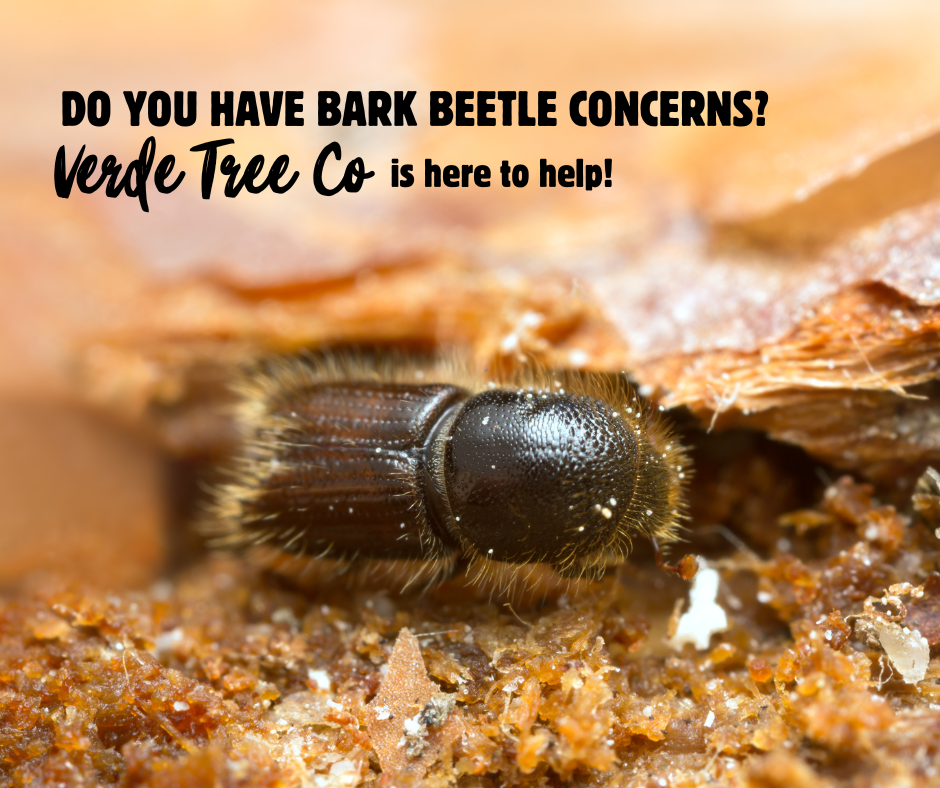
Arizona's trees are under siege, and the enemy is smaller than your fingernail. Bark beetles have been quietly devastating our state's forests and urban landscapes for years, but there's a lot more to this crisis than most tree service companies will tell you upfront. As someone who's been working with Arizona trees for decades, I'm going to share the uncomfortable truths about this epidemic that's costing homeowners thousands.
The Hidden Epidemic in Your Backyard
While wildfires grab headlines, bark beetles are the silent destroyers working 24/7 to kill Arizona trees. These tiny insects have already destroyed millions of acres across the Southwest, and they're not slowing down. What makes this particularly frustrating is that many of the deaths could be prevented if homeowners knew what to look for and acted quickly.
The problem is that by the time most people notice something's wrong, it's often too late. Bark beetles work from the inside out, and the visible symptoms don't appear until the damage is already extensive.
Why Arizona's Climate Is Perfect for Bark Beetles
Arizona's climate has created a perfect storm for bark beetle infestations. Our prolonged droughts weaken trees, making them vulnerable to attack. When trees are stressed from lack of water, they can't produce enough sap to defend themselves against these invasive insects.
The warming temperatures have also extended the beetles' breeding season. What used to be one generation per year has become two or even three generations in some areas. This means the population is exploding exponentially, and they're running out of their preferred host trees, forcing them to attack species they previously ignored.
The Warning Signs Most Homeowners Miss
Bark beetles are masters of stealth, but they do leave clues. The earliest signs are often dismissed as normal tree stress or seasonal changes. Here's what to watch for:
Pitch tubes are small, popcorn-like masses of resin on the bark. These form when healthy trees try to push out attacking beetles with sap. If you see these, your tree is literally fighting for its life.
Boring dust looks like fine sawdust at the base of your tree. This is frass: a mixture of beetle excrement and wood particles pushed out of their tunnels. Most people sweep this away without realizing what it means.
Yellowing or browning needles that start at the top of the tree and work their way down. By the time you see this, the beetle gallery system has usually girdled the tree, cutting off nutrient flow.
Woodpecker activity increases dramatically on infested trees. These birds know where the beetle larvae are hiding and will create large holes trying to get to them.
What the Industry Doesn't Always Tell You
Here's where things get uncomfortable for many in the tree service industry. The truth is that once bark beetles have successfully colonized a tree, there's often no saving it. However, many companies will still offer expensive treatment options because homeowners desperately want to save their trees.
Chemical treatments are largely ineffective once beetles are established inside the tree. Preventive sprays can work, but they need to be applied before attack and reapplied regularly. The window for effective treatment is much smaller than most homeowners realize.
Tree removal is often the only real solution, but it needs to happen quickly to prevent beetles from spreading to neighboring trees. Leaving an infested tree standing because you're hoping for recovery actually puts your entire landscape at risk.
The economic incentive problem is real. There's more profit in multiple treatment visits than in recommending immediate removal, even when removal is the only viable option.
The True Cost of Inaction
Property values in Arizona neighborhoods with extensive bark beetle damage have dropped significantly. A mature ponderosa pine that once added thousands to your property value becomes a liability when it's dead or dying. Insurance companies are also becoming more strict about dead tree removal requirements, especially in wildfire-prone areas.
The cost of emergency tree removal after a beetle-killed tree falls is typically three to five times higher than planned removal. When these massive trees come down unexpectedly, they often take power lines, roofs, and other trees with them.
Your Action Plan as a Homeowner
Start with prevention. Keep your trees well-watered during drought periods, but don't overwater. Stressed trees are more susceptible, but so are trees with root rot from overwatering. Proper irrigation is a delicate balance in Arizona.
Monitor regularly. Walk around your trees monthly, looking for the warning signs mentioned earlier. Use binoculars to check the upper canopy where attacks often begin.
Act fast when you see symptoms. If you notice pitch tubes, boring dust, or unusual woodpecker activity, call a certified arborist immediately. The earlier the detection, the more options you have.
Consider preventive treatments for high-value trees. The best option is often learning how to properly water your trees. There are also expensive, preventive insecticide applications that can be worthwhile for specimen trees or those critical to your landscape design. Verde Tree Co rarely recommends this option, but we can walk you through why it may or may not be a good idea.
When to Call the Professionals
Don't wait for a second opinion when you see clear signs of bark beetle activity. Every day counts when these insects are involved. Look for tree service companies that have specific experience with bark beetle identification and management.
Ask direct questions about treatment success rates and get realistic timelines. Be wary of anyone who guarantees they can save a heavily infested tree: it's often not possible, and attempting treatment delays the inevitable while putting other trees at risk.
At Verde Tree Co., we believe in honest assessments even when the news isn't what homeowners want to hear. Sometimes the kindest thing we can do is recommend immediate removal to protect the rest of your landscape investment.
Prevention Strategies That Actually Work
Tree species selection is critical for new plantings. Some species are much more resistant to bark beetle attack than others. Native species adapted to Arizona's climate are generally more resilient.
Proper spacing between trees reduces the spread of beetles from tree to tree. Dense plantings might look lush, but they create highways for pest movement.
Regular pruning removes stressed or damaged wood that attracts beetles. However, timing is crucial: pruning during beetle flight periods can actually attract them to fresh cuts.
Integrated pest management combines multiple strategies rather than relying on any single approach. This includes biological controls, cultural practices, and targeted chemical applications when necessary.
The bark beetle crisis in Arizona isn't going away anytime soon. Ongoing drought conditions mean we'll be dealing with this problem for years to come. The key is staying informed, monitoring your trees regularly, and acting quickly when problems arise.
If you're concerned about bark beetles in your trees, don't wait for the problem to get worse. Contact Verde Tree Co. for a professional assessment. We'll give you the straight truth about your trees' condition and the most effective options for protecting your property investment.